
the Five Elements
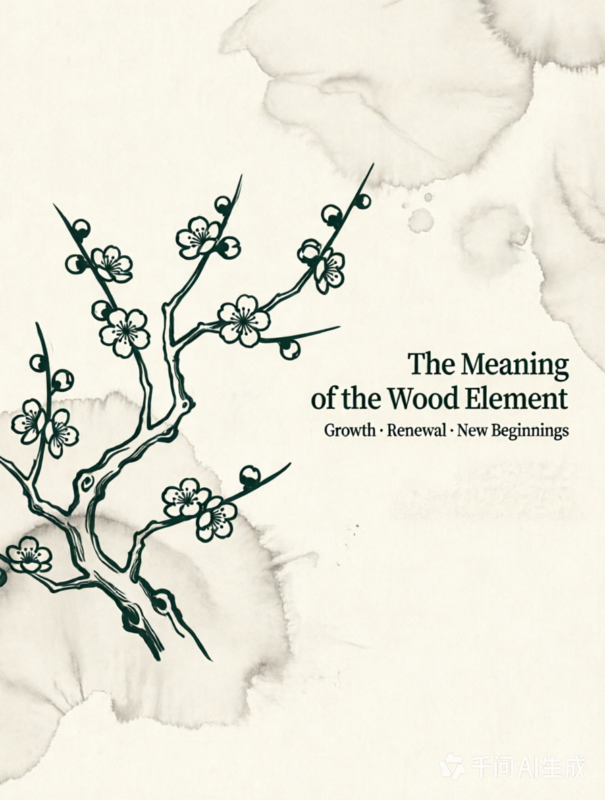
Meaning of the Wood Element Growth, Renewal, and the Spirit of New Beginnings
Jun
For thousands of years, the Wood Element has held a special place within the Five Elements Philosophy. Representing growth, vitality, and continuous development, Wood embodies the powerful force of life emerging, expanding, and reaching toward its full potential.
From towering forests and ancient trees to the first green shoots of spring, Wood symbolizes nature’s ability to renew itself season after season. Its enduring presence in Eastern philosophy has made it a timeless symbol of progress, creativity, and personal growth.
Today, the Wood Element continues to inspire art, design, architecture, wellness practices, and meaningful jewelry around the world.
The Origins of the Wood Element
The concept of the Five Elements, known as Wu Xing, originated in ancient China more than two thousand years ago.
Rather than viewing the world as a collection of separate objects, early philosophers observed nature as a system of interconnected forces constantly moving and transforming. Among these forces, Wood represented the energy of growth and expansion.
Ancient scholars looked to the natural world for inspiration. They observed how trees began as tiny seeds before growing into towering structures capable of surviving for centuries. This remarkable process became a powerful metaphor for human development, perseverance, and the pursuit of knowledge.
As a result, Wood came to symbolize life’s capacity for growth, learning, and renewal.
What Does the Wood Element Represent?
The Wood Element is often associated with qualities that reflect movement, progress, and potential.
Growth
Wood represents continuous development and the pursuit of improvement.
Just as trees expand their roots beneath the earth while stretching their branches toward the sky, the Wood Element reminds us that growth requires both strong foundations and ambitious vision.
Vitality
Healthy forests are symbols of life, energy, and abundance.
The Wood Element reflects vitality, enthusiasm, and the natural drive to explore new opportunities.
Creativity
The ever-changing forms found in nature have long inspired artists, thinkers, and creators.
Wood is associated with imagination, innovation, and the ability to transform ideas into reality.
Renewal
Every spring, nature awakens with fresh energy and new growth.
For this reason, the Wood Element has become a symbol of renewal, fresh starts, and embracing new possibilities.
Wood and Ancient Cultural Symbolism
Throughout history, trees have carried deep symbolic meaning across many cultures.
In Chinese tradition, ancient trees were often viewed as symbols of longevity, wisdom, and resilience. Their ability to withstand changing seasons while continuing to grow inspired generations of scholars, artists, and philosophers.
The bamboo plant became particularly admired because of its flexibility and strength. It bends in strong winds without breaking, symbolizing adaptability and perseverance.
Similarly, pine trees remained green throughout winter, representing endurance and unwavering character.
These natural examples reinforced the Wood Element’s connection to growth, resilience, and continuous self-improvement.
The Wood Element and Nature
The Wood Element is most closely associated with spring.
Spring represents a season of awakening, when nature emerges from winter dormancy and begins a new cycle of growth.
Fresh leaves appear.
Flowers bloom.
Forests become vibrant once again.
This annual transformation perfectly reflects the qualities of the Wood Element: progress, expansion, renewal, and possibility.
The color most commonly associated with Wood is green, representing life, harmony, and connection with nature.
Natural Gemstones Associated with the Wood Element
Many natural gemstones are appreciated for their connection to the qualities traditionally associated with the Wood Element.
Green Aventurine
Known for its rich green color, Green Aventurine reflects themes of growth, optimism, and new opportunities.
Its natural appearance evokes images of forests, fresh leaves, and the vitality of spring.
Moss Agate
Featuring organic patterns reminiscent of landscapes and plant life, Moss Agate has long been admired for its connection to nature.
Its unique inclusions often resemble miniature forests captured within stone.
Jade
One of the most treasured gemstones in Eastern culture, Jade has been valued for thousands of years as a symbol of harmony, wisdom, and noble character.
Its enduring significance makes it closely aligned with the spirit of the Wood Element.
Green Fluorite
With its fresh green tones and natural transparency, Green Fluorite reflects clarity, growth, and renewal.
Its appearance captures the essence of nature’s constant evolution.
The Wood Element in Jewelry Design
The symbolism of the Wood Element continues to inspire contemporary jewelry design.
Natural green gemstones, organic textures, flowing patterns, and nature-inspired motifs are often used to reflect the qualities associated with Wood.
At Zen Wu Xing, the Wood Element serves as a source of inspiration for designs that celebrate growth, authenticity, and meaningful living.
By combining carefully selected natural gemstones with thoughtful craftsmanship, each piece becomes a reflection of nature’s beauty and the enduring wisdom of the Five Elements.
Why the Wood Element Still Matters Today
In a rapidly changing world, the message of the Wood Element remains as relevant as ever.
It reminds us that growth takes time.
That strong roots create lasting strength.
That flexibility often proves more powerful than rigidity.
And that every new beginning carries the potential for transformation.
The Wood Element encourages us to embrace curiosity, pursue continuous learning, and remain open to new opportunities while staying grounded in our values.
Final Thoughts
The Wood Element is far more than a symbol within an ancient philosophy.
It represents growth, creativity, resilience, and the timeless cycle of renewal found throughout nature.
From the forests that cover our landscapes to the gemstones inspired by their beauty, the spirit of Wood continues to remind us that life is a journey of continuous growth and possibility.
Its wisdom has endured for thousands of years, offering inspiration for those who seek balance, purpose, and a deeper connection with the natural world.
